NYC Landlord Compliance Checklist 2026
Owning rental property in New York City comes with more than managing tenants and collecting rent. Property owners must keep track of responsibilities spread across multiple agencies, required filings, inspections, notices and annual deadlines that can easily become difficult to monitor without an organized system.
Missing important requirements or overlooking documentation can create unnecessary complications for landlords and property operations. Staying organized requires understanding which compliance areas need attention and maintaining a consistent process for tracking responsibilities throughout the year.
This checklist provides an overview of the major compliance areas NYC rental property owners should track in 2026. It is intended as a general informational resource to help owners understand common responsibilities and areas to review. For property-specific legal guidance, owners should consult a qualified professional.
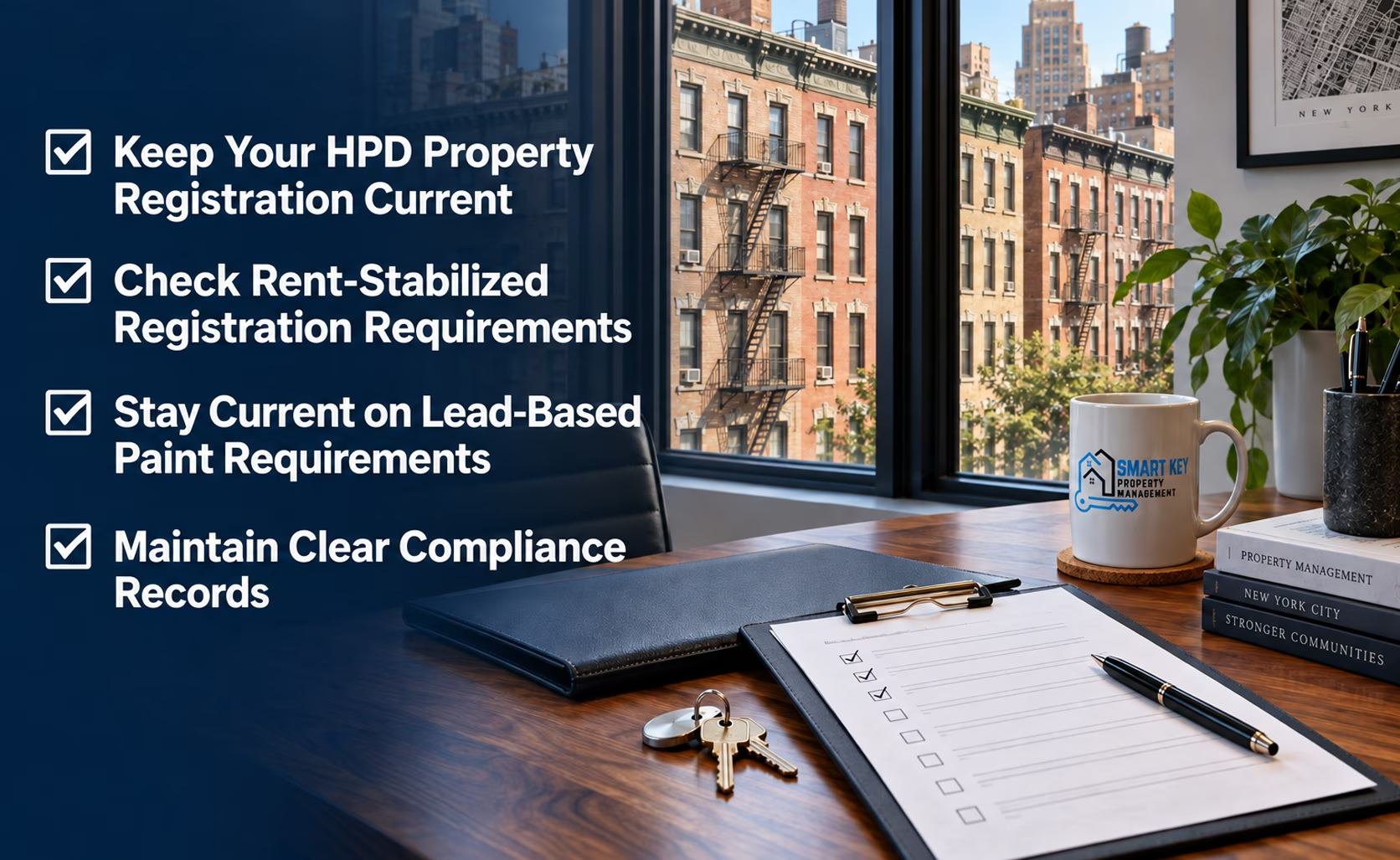
1. Keep Your HPD Property Registration Current
One of the first compliance responsibilities many NYC rental property owners should track is keeping their HPD property registration NYC information current. Properties that fall under NYC Housing Preservation and Development (HPD) registration requirements generally include multiple dwellings and certain non-owner-occupied one- and two-family homes.
Owners should ensure that important information, including ownership details and managing-agent information, remains accurate and updated whenever changes occur.
Maintaining correct registration information helps ensure that HPD can communicate important notices, inspections and property-related updates to the appropriate parties. Outdated ownership or management details can create unnecessary confusion and may affect how property-related matters are handled.
For NYC landlords, keeping registration records organized and reviewing renewal requirements each year is an important part of maintaining proper property compliance. This checklist is intended as a general overview and owners should review their specific obligations based on their property type and circumstances.
2. Check Rent-Stabilized Registration Requirements
NYC property owners should first determine whether their building contains rent-stabilized units, as these properties have separate registration responsibilities. While HPD property registration and HCR registration are different requirements, buildings subject to rent stabilization generally need to register their buildings and apartments with HCR annually.
Owners should ensure unit information remains accurate and updated, including details related to registered apartments and building records. Keeping this information current helps maintain organized compliance records and reduces issues caused by outdated information.
For a detailed explanation of HCR/DHCR registration requirements and filing steps, refer to our DHCR filing guide.
3. Stay Current on Lead-Based Paint Requirements
Lead-based paint compliance is an important responsibility for NYC rental property owners, especially in buildings with older construction. Owners should track requirements related to annual notices, identifying whether a child under six lives in an applicable unit and completing required inspections or visual investigations where necessary.
When lead-related conditions are identified, required repairs should be addressed properly and records of notices, inspections and completed work should be maintained. Keeping accurate documentation helps owners stay organized and demonstrate that required compliance steps have been followed.
Because lead regulations can involve specific requirements based on property type and tenant circumstances, owners should review their obligations carefully and maintain a consistent recordkeeping process throughout the year.
4. Complete Required Annual Notices and Tenant Communications
NYC rental property owners should maintain a clear process for providing required tenant notices and safety-related communications. Depending on the property and applicable requirements, this may include lead-related notices, bed bug information, detector-related notices and other building communications.
Keeping tenants informed is not only a compliance responsibility but also an important part of maintaining organized property operations. Owners should ensure required notices are provided on time and maintain records of communications for future reference.
HPD maintains specific requirements related to tenant notices and building information, so owners should review applicable obligations for their property type and keep documentation organized throughout the year.
5. Maintain Required Safety Equipment and Building Conditions
Keeping a rental property safe requires more than responding to problems after they occur. NYC property owners should regularly monitor required safety equipment, building conditions and occupancy requirements to help maintain a safe environment for residents.
Key areas to review include:
- Smoke detectors and carbon monoxide detectors
- Common-area safety conditions
- Required building maintenance
- Legal occupancy requirements
Preventive property management plays an important role in identifying potential issues early and maintaining better building conditions over time. Owners should also stay aware of changing safety requirements and applicable deadlines. For example,The compliance date for natural-gas detector installation is currently January 1, 2027, at the earliest, and may be extended. Subject to possible further extension and should not be treated as a general 2026 installation requirement.
Maintaining proper documentation, completing required checks and addressing safety concerns promptly helps owners stay organized and support ongoing property compliance.
6. Keep Up With Maintenance and Housing Code Requirements
Regular maintenance is a key part of keeping NYC rental properties compliant and preventing avoidable issues. Owners should address repair requests in a timely manner, maintain common areas and ensure the property continues to meet basic habitability and safety expectations.
Ignoring smaller maintenance concerns can lead to larger problems, tenant complaints and potential violations. Keeping records of completed repairs, service visits and maintenance-related communication helps owners maintain better documentation and track ongoing property conditions.
A preventive approach to maintenance allows owners to identify issues earlier, protect building conditions and support smoother property operations.
For more information on why proactive upkeep matters, read our guide: Property Maintenance: Why Waiting for Repairs Often Costs More Than Preventing Them.
7. Track Bed Bug Reporting and Required Building Notices
NYC owners of applicable multiple dwellings should include bed bug reporting in their annual compliance checklist. HPD requires these properties to file the Bed Bug Annual Report each year between December 1 and December 31.
Owners should also maintain accurate records related to tenant notices, reported issues and any required follow-up actions. Keeping this information organized helps ensure important compliance responsibilities are not overlooked.
Tracking bed bug reporting requirements alongside other annual property obligations allows owners to maintain better documentation and support smoother building operations throughout the year.
8. Maintain Clear Compliance Records
Compliance is not only about completing required tasks it is also about being able to show that those responsibilities were handled properly. Keeping organized records helps owners track obligations, respond to questions and maintain better oversight of their properties.
Important records may include:
- Registration confirmations
- Tenant notices and communications
- Inspection records
- Repair and maintenance documentation
- Contractor records where applicable
- Compliance-related paperwork
Accurate recordkeeping is especially important for requirements that involve ongoing documentation, such as lead-related obligations. Maintaining organized files throughout the year makes it easier for owners to verify completed work and manage compliance responsibilities more effectively.
9. Monitor Violations and Correct Issues Early
Keeping track of property violations and addressing issues early is an important part of maintaining organized rental operations. Owners should monitor HPD and DOB-related matters, follow up after inspections, document completed corrections and keep records of actions taken.
Ignoring unresolved issues can lead to repeated problems and make property management more difficult over time. A consistent process for tracking violations, coordinating repairs and maintaining documentation helps owners stay informed and address concerns before they become ongoing operational challenges.
Regular oversight and timely follow-up allow property owners to maintain better control over compliance-related responsibilities and keep their properties operating smoothly.
10. Use a Compliance Calendar Instead of Relying on Memory
NYC rental compliance involves responsibilities throughout the year, and relying on memory alone can make it easy to miss important tasks. A compliance calendar helps landlords organize recurring requirements and stay ahead of important deadlines.
January
✅ Lead Annual Notice
Review and complete applicable lead-related notice requirements.
Annual Requirement
✅ HPD Property Registration
Keep property registration information updated and review renewal requirements.
✅ Rent-Stabilized Registration
Ensure applicable rent-stabilized units and building information remain current.
December
✅ Bed Bug Annual Report
Complete required filing for applicable multiple dwellings during the designated reporting period.
Throughout the Year
✅ Inspections and Repairs
Monitor property conditions, address maintenance concerns, and maintain documentation of completed work.
When Compliance Becomes a Property Management Problem
Keeping up with NYC compliance requirements can become increasingly difficult as property responsibilities grow. What may seem manageable for a single property can become more complex when an owner lives outside the city, manages multiple units or buildings, handles rent-stabilized properties, or faces frequent maintenance and inspection requirements.
The challenge is not only knowing what needs to be completed, it is keeping track of deadlines, maintaining documentation, following up on issues and ensuring important tasks do not get overlooked. Missed filings, unresolved violations, incomplete records and delayed repairs can create additional operational challenges for property owners.
A professional property management approach can help coordinate important compliance-related responsibilities, including:
- Compliance monitoring and deadline tracking
- Documentation organization
- Property inspections
- Maintenance coordination
- Tenant notices and communication
- Reporting and record management
For many owners, the value of professional support is having a reliable process in place to monitor responsibilities, maintain records and coordinate the operational details required to keep the property running smoothly.
.avif)
.avif)